
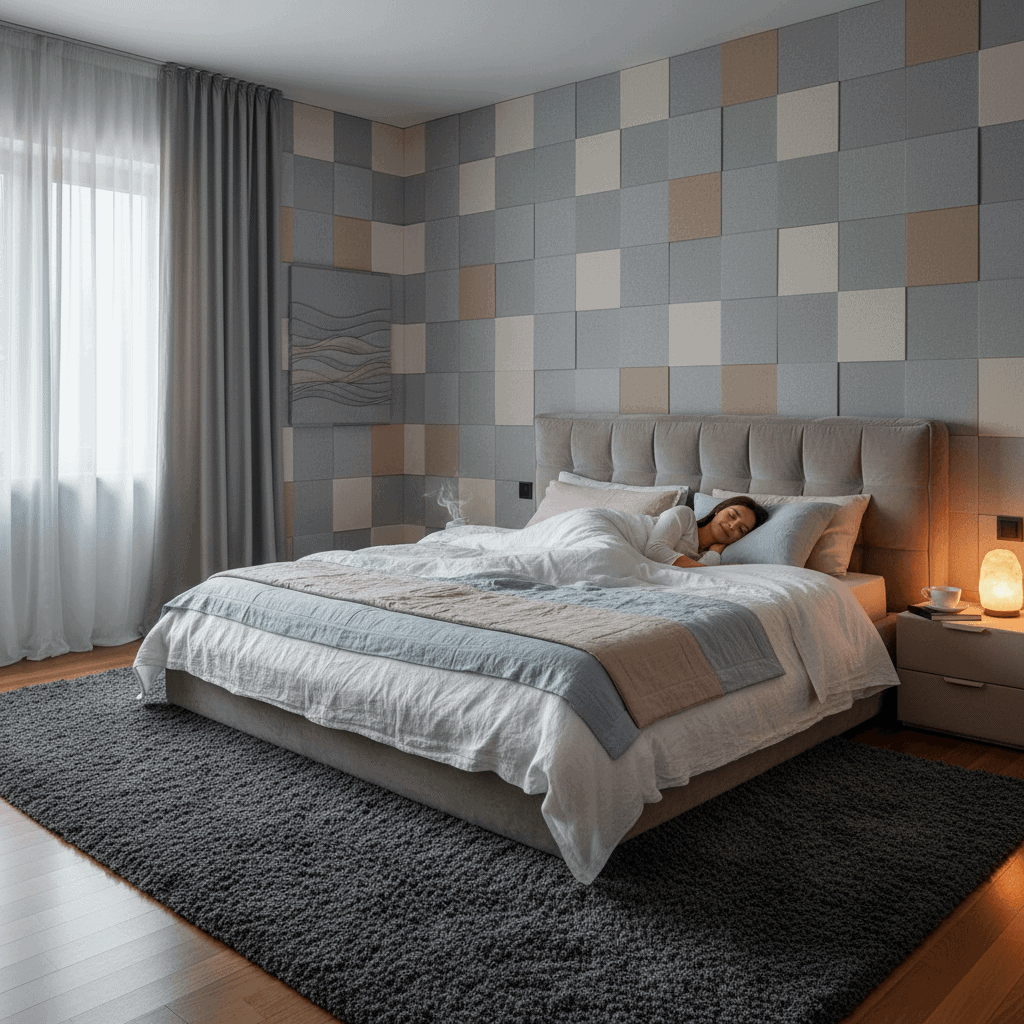
Quiet Walls Improve Bedroom Comfort
Quiet walls boost bedroom comfort far beyond just cutting noise. When your room’s surfaces soak up sound and kill echoes, sleep feels clearer, wakeups happen less, and privacy feels tighter. Simple changes around the house can turn a noisy spot into a peaceful retreat where rest flows easy. People craving better sleep and calmer nights will find the secrets here hard to pass up. Keep reading to discover how a quiet room can change the way night feels.
Whether you live on a busy street or in a multiunit building a few targeted changes to wall construction and finishes can make a noticeable difference. Below you will find an explanation of how sound behaves in small rooms common solutions for quieting walls and hands on tips that fit a range of budgets and skill levels.
Why Quiet Walls Improve Bedroom Comfort
Walls that reduce incoming noise and limit internal reflections create a calmer sound environment. Two important effects follow. First external sounds such as street traffic or neighbors become less intrusive which reduces stress and prevents sleep disruption. Second internal sounds such as movement and speech are softened which makes it easier to fall asleep and stay asleep without being jolted awake by echoes.
For many people a reduction of even a few decibels can change sleep quality. Quiet walls do not need to block every noise source to be effective. Addressing the most likely paths for sound to travel and reducing reflective surfaces often produces the best value for effort and cost.
How Noise Affects Sleep and Wellbeing
Sound influences sleep in two main ways. Sudden loud noises trigger brief awakenings or full arousal while continuous background noise raises stress levels and can reduce sleep depth. Studies show that lower noise exposure during the night correlates with fewer awakenings and improved next day alertness. The bedroom surface materials play a major role in both categories.
Hard bare walls reflect sound and increase reverberation time which means sounds linger longer in a room. That lingering effect makes small sounds seem larger and more distracting. Softening wall surfaces cuts reverberation which quiets the room in a way you notice as soon as you enter it.
Materials and Options for Quieter Walls
There are several practical materials and approaches that reduce wall borne and airborne sound. Each has trade offs in cost complexity and appearance. Common options include acoustic wall panels dense insulation behind drywall extra layers of plasterboard mass loaded vinyl and textile coverings. For homeowners who prefer ready to install products there are stylish panels designed specifically for bedrooms and living spaces that add both sound control and visual warmth. One useful resource for these types of panels is akoestische wandpanelen voor slaapkamer which shows how sound absorbing surfaces can be integrated into current decor.
Acoustic panels versus cavity insulation
Acoustic panels mounted on the room side focus on reducing reflections and reverberation. They are often lighter to install and come in many colors and textures. Cavity insulation or denser wall assemblies focus on blocking sound transmission from one side to the other. If street noise or loud neighbors are the main problem prioritize wall mass and improved seals. If the problem is echo and internal noise prioritize surface absorption.
Fabric finishes and soft furnishings
Fabric wall coverings heavy curtains and tapestries absorb mid and high frequency sounds and can be a budget friendly way to alter a room acoustically. Bookshelves filled with books and upholstered headboards also serve two purposes at once as sound absorbers and as decorating elements. These softer materials are especially effective at taming voices and domestic sounds that disturb sleep.
Practical Installation Tips for Homeowners
Start with small changes and measure the difference. A simple test is to tape a temporary fabric panel to a section of wall and listen for a noticeable drop in echo. If you hear a marked improvement you can move to more permanent options. Follow these steps for an effective approach.
- Identify the biggest sources of sound. Is the noise coming through the wall from outside or from an adjacent room?
- Seal gaps around doors windows and outlets. Small openings can let in a lot of noise.
- Add mass where wall structure is thin. An extra layer of dense plasterboard can reduce transmission of low frequency noise.
- Install absorption where reflection is the problem. Panels placed at reflection points reduce reverberation more efficiently than treating the entire wall.
- Combine approaches. A modest increase in mass plus targeted surface absorption often gives the best results for cost.
Placement and coverage
For surface absorption place panels at the primary reflection points. In a standard bedroom those are the wall behind the headboard the wall opposite the bed and the side walls near listening or seating positions. You do not need to cover an entire wall to notice a change. Covering 20 to 40 percent of the most reflective surfaces frequently delivers a large perceived improvement.
Simple DIY fixes that help right away
Tack a heavy textile or moving blanket to a noisy wall reposition a bookshelf against a shared wall or add a tall upholstered screen. Swap thin curtains for heavier lined versions and add a rug to the floor. Each of these moves reduces reflections and some degree of transmitted noise with minimal tools and expense.
Measuring Results and Expected Gains
It helps to set realistic expectations. Wall treatments often reduce reverberation time and cut perceived loudness rather than eliminate all sound. A well designed combination of mass and absorption can lower perceived noise enough to prevent awakenings and reduce the overall stress of noisy nights. You may see reductions in the range of a few decibels up to larger drops in cases where thin walls have been stiffened or sealed.
For those who want numeric feedback a smartphone decibel meter app gives a quick before and after snapshot. Measure in the same position at the same time of night to get comparable results. Listen for fewer sudden changes in level and a drop in the persistence of echoes. Both are strong indicators that the wall work is paying off.
Designing for Comfort and Style with Quiet Walls
Quieting a bedroom should not sacrifice aesthetics. Modern panels and textile solutions come in a variety of finishes and shapes. Use panels as a feature behind the bed or as vertical strips that break up a wall visually while absorbing sound. Color matching and texture choices allow these elements to integrate with existing design themes while serving a functional role.
Consider a combined strategy that includes a prominent upholstered headboard a row of slim vertical panels and a rug that anchors the bed area. This layered tactic controls reflection at multiple points and looks intentional rather than utilitarian. For renters there are removable options such as tension hung fabric or freestanding screens that provide much of the acoustic benefit without permanent alterations.
Budgeting and Long Term Considerations
Costs range widely depending on material choice and scope of work. A few panels and some sealing supplies can be done for a modest outlay while a full wall upgrade with added mass and professional installation will cost more. Factor in long term value. Quieter rooms tend to feel more comfortable and private which adds to daily quality of life and may increase appeal to future buyers or renters.
Maintenance is minimal. Panels may need occasional dusting and fabric coverings can be vacuumed. Fixed wall assemblies do not require regular upkeep beyond standard cleaning. If you plan structural changes check local building rules and consider professional advice for installations that alter load bearing walls or add heavy layers.
Small steps often produce large subjective gains. Try one or two low cost measures first then decide if a larger investment is warranted. Many people report that sleeping in a room with treated walls feels calmer and more restorative even if absolute noise levels still rise during particularly loud periods.
Conclusion
Quiet walls improve bedroom comfort by addressing both the intrusion of outside noise and the echo within the room. Taking an intentional approach that mixes surface absorption mass and sealing yields reliable results without excessive expense. Start by identifying the main sources of noise then apply the simplest interventions that target those paths. Add decorative panels or fabric elements to keep the look of the room inviting while reducing unwanted sound. For renters and homeowners alike there are options that fit many budgets and styles.
If you are ready to try changes make a plan that begins with temporary tests such as removable panels or heavy curtains. Track results with a simple sound meter or personal sleep notes and expand treatment where it makes the biggest difference. A quieter bedroom can improve rest reduce nightly interruptions and create a more private relaxed sleeping space. Take the first step this week by choosing one wall treatment to trial and notice the effect on your sleep and daily comfort.