
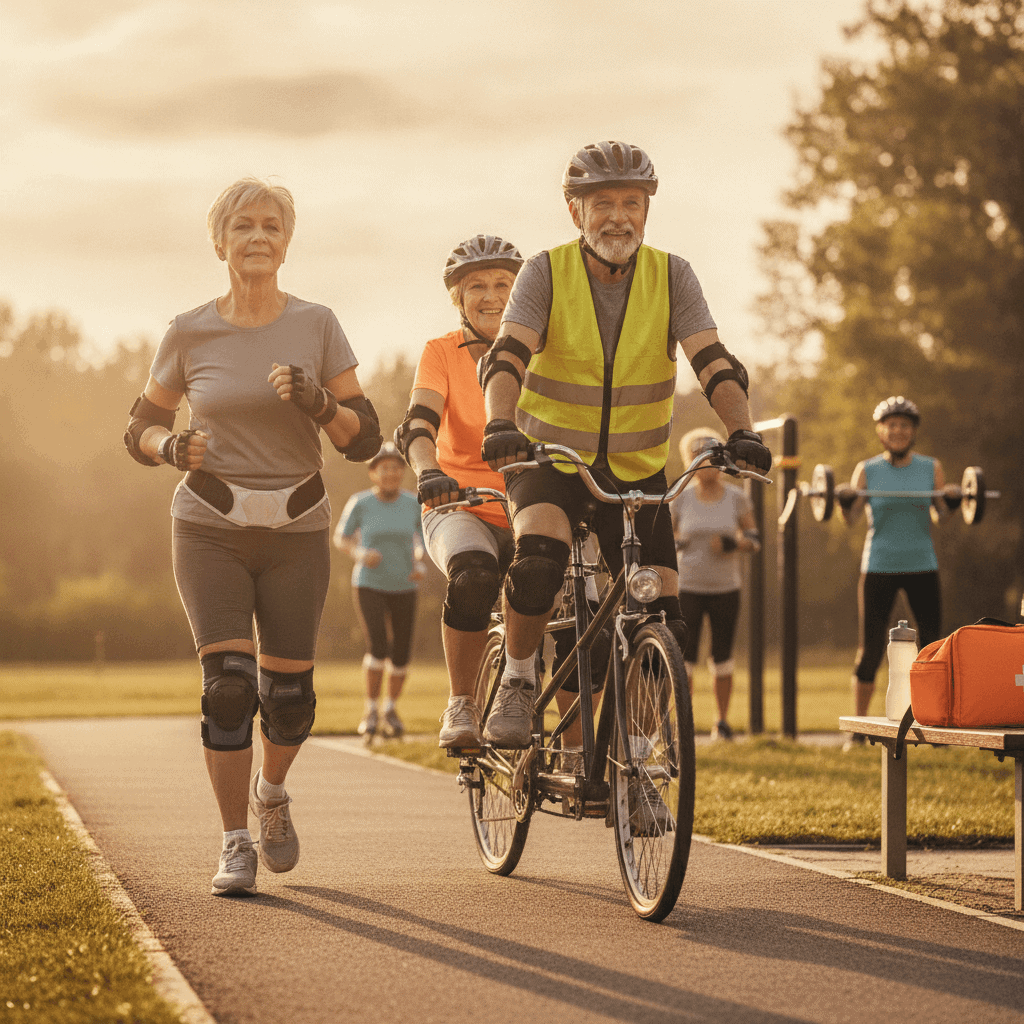
Why Is Safety Equipment Critical for Senior Athletes
Many senior athletes find deep fulfillment in staying active. They run marathons, lift weights, swim laps, and play team sports with a passion that inspires everyone. I often see people in their golden years proving that age is truly just a number when it comes to physical pursuits. This dedication to fitness helps maintain physical health and mental sharpness, which is so valuable.
But with all this activity comes the need for extra care. As our bodies change over time, the risks associated with intense physical exertion also shift. We must recognize these changes and adapt our routines accordingly to stay safe and continue enjoying the activities we love. Prioritizing safety allows senior athletes to push their limits confidently.
This article will explore why safety equipment is so important for senior athletes. I will explain the common risks and detail the specific gear that can make a real difference. My goal is to help you or the senior athletes you know keep moving safely for many years.
Understanding the Unique Needs of Senior Athletes
The human body changes as we age, and these changes impact athletic performance and vulnerability to injury. I have seen many athletes who were once indestructible find they need to adjust their routines. Our bones can become a little more brittle, and our muscles might lose some of their elasticity. This means a fall or a sudden twist that a younger person might shake off can lead to a more serious injury for someone older.
Connective tissues like ligaments and tendons also become less resilient. They do not stretch as easily, and they take longer to heal when damaged. This makes older athletes more prone to sprains, strains, and even tears if they do not take proper precautions. We must respect these physiological realities, not as limitations, but as guides for smart training.
Despite these changes, the desire to stay active remains strong and beneficial. Many senior athletes want to compete, stay fit, and enjoy the social aspects of sports. The right safety equipment helps them continue pursuing these passions without unnecessary worry. It supports their body where it needs it most.
Common Injuries Without Protection
When senior athletes skip safety equipment, they open themselves up to common injuries that can slow them down or stop them altogether. Falls are a major concern. Without proper footwear or balance aids, a simple stumble can result in fractures, especially in the hips or wrists. These types of injuries require long recovery times.
Joint issues also frequently arise. Knees, shoulders, and ankles are often stressed during activities like running, tennis, or weightlifting. Without supportive braces or sleeves, these joints face increased wear and tear. This can lead to chronic pain or conditions like osteoarthritis. I have seen too many athletes regret not using simple protective gear earlier.
Impact injuries are another risk. In sports with contact, or even just from accidental bumps, head injuries or deep bruises can occur. Helmets and padding are not just for high-contact sports anymore. They provide a crucial layer of defense in many different athletic settings. We must think about prevention first.
The Importance of a Tailored Approach
Every senior athlete is unique, and so are their needs for safety equipment. What works for one person might not be ideal for another. It is important to consider individual health conditions, the specific sport or activity, and personal comfort levels when choosing gear. A personalized approach makes protection more effective.
For example, someone with a history of knee problems might benefit from a more rigid knee brace. A runner might need shoes with extra cushioning and arch support. We should never use a one-size-fits-all mindset for athletic protection. Taking the time to research and try different options is a worthwhile investment in long-term health. Consulting with a sports medicine professional or a knowledgeable coach helps make the best choices.
Remember that the goal is to enhance performance and enjoyment, not to hinder it. Equipment should feel comfortable and allow for a full range of motion while providing adequate protection. This balance is key to staying active and safe as a senior athlete. It truly empowers continued participation.
Essential Protective Gear for Joints and Limbs
Our joints and limbs often bear the brunt of athletic activity. For senior athletes, providing extra support to these areas is incredibly important. I always recommend proactive measures to prevent injury. Braces, wraps, and padding offer crucial assistance, helping to stabilize joints and cushion against impacts. They are not a sign of weakness. They are a sign of smart training.
Knee braces come in many forms, from compression sleeves that offer light support to more structured braces for managing existing injuries. They help maintain proper alignment and reduce stress on the knee joint during movements like squatting, running, or jumping. Wearing them can extend the life of your knees and keep you in the game longer.
Elbow and wrist supports are also highly beneficial, especially for activities involving repetitive arm movements or potential falls. Think about tennis, golf, or cycling. Wrist guards can prevent fractures if you fall, and elbow sleeves can help with conditions like tennis elbow. These items distribute force and reduce strain on vulnerable areas.
Selecting the Right Joint Support
Choosing the correct joint support involves thinking about the type of activity, the level of support needed, and personal fit. I suggest trying on different options to see what feels best. A brace that is too tight can restrict blood flow, and one that is too loose will not provide enough support. Comfort is very important for consistent use.
Consider the material of the support. Breathable fabrics help keep you cool and prevent skin irritation during long workouts. Some braces feature adjustable straps, which allow for a customized fit. This is great because our bodies can change a little from day to day. We want gear that adapts to us.
Always read product reviews and, if possible, get recommendations from other senior athletes or physical therapists. Their experiences can offer helpful insights. Investing in quality joint support is an investment in your continued ability to participate in sports and stay active. It makes a big difference.
Head Protection Matters More Than Ever
Head injuries are serious at any age, but they can be especially dangerous for senior athletes. The risk of complications and slower recovery times increases with age. That is why head protection is not just a recommendation. It is an absolute necessity for many sports. I believe in protecting our most vital organ.
For cyclists, a well-fitting helmet is non-negotiable. Even a minor fall can lead to a severe head injury if you are unprotected. Helmets are designed to absorb impact and distribute force away from the skull. They save lives and prevent devastating consequences. Always ensure your helmet meets current safety standards and fits snugly.
Other sports like skiing, snowboarding, or even some team sports also require helmets. Concussions, even mild ones, can have lasting effects, impacting memory, balance, and cognitive function. Preventing these injuries means we can stay sharp and enjoy life to the fullest. We owe it to ourselves to wear the right headgear.
Footwear and Ankle Support are Foundational
The foundation of safe athletic activity starts with your feet. Proper footwear is essential for senior athletes to maintain balance, absorb shock, and prevent foot and ankle injuries. I always say that your shoes are your most important piece of equipment. They directly impact how your entire body moves and feels during exercise.
Different sports demand different types of shoes. Running shoes offer cushioning and support for forward motion. Court shoes provide lateral stability for quick side-to-side movements in sports like tennis or basketball. Walking shoes prioritize comfort and flexibility. Wearing the wrong shoes can lead to blisters, pain, and even more serious injuries like sprains or stress fractures.
Ankle support is another critical element. Ankle sprains are common, and for senior athletes, they can take a long time to heal. Ankle braces, compression sleeves, or even proper athletic taping can provide extra stability. This reduces the risk of rolling an ankle during quick pivots or uneven terrain. Taking care of your feet and ankles allows you to move freely and confidently.
Choosing the Correct Footwear
When selecting athletic footwear, fit is the most important factor. I recommend getting your feet measured regularly, as foot size and shape can change over time. Go to a specialty athletic shoe store where trained staff can help you find shoes that match your foot type and activity needs. Do not just buy shoes based on appearance.
Look for shoes with good arch support and proper cushioning. These features help absorb impact and protect your joints from the repetitive stress of exercise. The outsole should provide adequate traction for your chosen activity to prevent slips and falls. Check for flexibility in the forefoot and a firm heel counter for stability.
Also, replace your athletic shoes regularly. The cushioning and support in shoes degrade over time, even if they still look good on the outside. Generally, running shoes should be replaced every 300-500 miles or every 6-12 months, depending on your activity level. Fresh shoes keep your feet happy and your body protected.
Vision and Hearing Protection for Enhanced Performance
While often overlooked, protecting your vision and hearing is incredibly important for senior athletes. Good eyesight and hearing are vital for situational awareness and reaction time, which directly affect safety and performance. I consider these senses as crucial tools for any athlete. Keeping them safe means you can enjoy your sport fully.
Protective eyewear is essential for outdoor sports like cycling, running, or golf. It shields your eyes from harmful UV rays, wind, dust, and debris. Special sports glasses are designed to stay in place and offer shatterproof lenses, providing a barrier against impacts. Imagine getting something in your eye during a bike ride. This could lead to a serious accident. Clear vision means safer movement.
Hearing protection also matters in certain environments. If you train in a loud gym or participate in activities with noisy equipment, earplugs or noise-canceling headphones can protect your hearing. Preserving your hearing helps you stay engaged with your surroundings and enjoy conversations with fellow athletes. It ensures you catch all the important cues from your environment.
Reflective Gear and Hydration Equipment for Outdoor Activities
When senior athletes venture outdoors, especially during early mornings or late evenings, visibility becomes a major safety concern. Drivers might not see you, and that is a risk we should always avoid. I always urge athletes to make themselves as noticeable as possible. Reflective gear is a simple yet effective way to prevent accidents. It is a small effort with a big impact.
Wearing reflective vests, armbands, or clothing with reflective strips can significantly increase your visibility to motorists and other pedestrians. Bright colors also help during daylight hours, but reflective materials are key when light is low. Headlamps and taillights for bikes are also important additions. They illuminate your path and make your presence known from a distance. Being seen is being safe.
Staying hydrated is another non-negotiable for outdoor activities. Dehydration can lead to fatigue, dizziness, and impaired judgment, increasing the risk of falls or other mishaps. Hydration packs or water bottles should be a standard part of your gear. I always tell people to drink before they feel thirsty because that is when dehydration has already started. Carrying water ensures you can replenish fluids easily.
We often think about the big pieces of gear, but these smaller, often overlooked items are just as critical for safety. From making sure you are seen on the road to keeping your body properly fueled, these details contribute greatly to overall senior fitness protection. It is all part of a smart approach to staying active.
Conclusion: Staying Active and Safe for Years to Come
Staying active as a senior athlete offers countless rewards, improving physical health, mental wellbeing, and social connections. I have seen firsthand how consistent movement keeps people feeling young and energetic. But to truly reap these benefits, we must put safety first. Ignoring the need for protective equipment means taking unnecessary risks that can lead to injuries and interrupt the very lifestyle we cherish.
We discussed the unique physical changes that come with age and why specific equipment like joint braces, helmets, and proper footwear are so important. We also covered the value of vision and hearing protection, along with reflective gear and hydration tools for outdoor adventures. Each piece of equipment plays a vital role in preventing injuries and ensuring you can continue participating in the sports you love.
Remember, choosing the right safety gear is not about limiting yourself. It is about empowering yourself to perform better, recover faster, and enjoy a longer, healthier athletic journey. I encourage you to assess your current activities and invest in the appropriate protection. Consult with a doctor or a fitness expert if you are unsure about what gear is best for your specific needs. Do not let preventable injuries sideline you. Embrace smart preparation, stay safe, and keep moving with confidence for many more active years.