
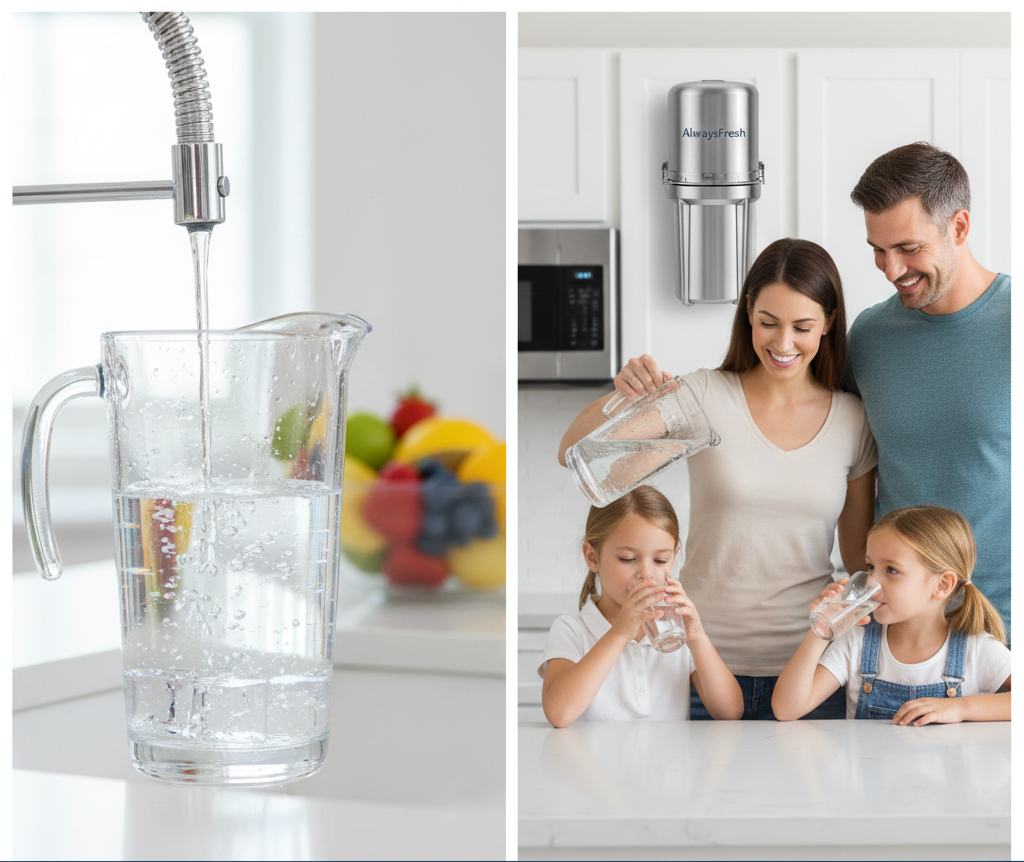
Benefits Of Clean Drinking Water Systems
Safe water is a basic need in every home. Families rely on it for drinking, cooking, cleaning produce, and preparing meals each day. Yet many people rarely think about the quality of the water flowing from their taps. Even when water appears clear, it can still contain minerals, chlorine residue, sediment, or other unwanted elements that affect taste and purity. This is why many homeowners turn to modern filtration solutions that treat water before it reaches the kitchen sink.
Installing a reliable water treatment setup can make a noticeable difference in daily life. From better tasting beverages to healthier cooking habits, the advantages reach far beyond convenience. A well designed clean drinking water system helps households maintain dependable water quality while reducing reliance on bottled water. Over time this can support healthier routines, lower household waste, and provide a dependable supply of fresh water whenever it is needed.
Why Water Purity Matters For Everyday Living
Water plays a role in nearly every daily activity inside the home. People drink it throughout the day, cook with it during meal preparation, and use it when washing fruits and vegetables. Because of this constant use, the purity of household water has a direct effect on personal health and comfort.
Municipal water treatment plants work hard to make public water safe. Still, water often travels through miles of aging pipes before it reaches residential taps. During this journey it can pick up sediment, minerals, or trace materials that influence taste and odor.
Clean and filtered water supports several important aspects of daily life.
- Improved taste in drinking water and beverages
- Better flavor when cooking soups grains and sauces
- Reduced presence of sediment and chlorine residue
- More pleasant drinking experience for children and adults
When water tastes clean and refreshing, people are more likely to drink enough throughout the day. Proper hydration supports digestion, circulation, and overall wellness.
How Home Water Systems Improve Taste And Odor
One of the first differences homeowners notice after installing a filtration setup is the improvement in taste. Tap water sometimes carries a slight chemical flavor due to chlorine or other treatment compounds used during municipal purification. While these substances help maintain safety during distribution, they may leave behind a noticeable aftertaste.
Filtration systems remove many of these unwanted elements before water reaches the faucet. This results in water that tastes crisp and neutral.
Reduction Of Chlorine Flavor
Chlorine is commonly used by water utilities to prevent bacterial growth in pipelines. Though it serves an important role, chlorine can affect taste. Filtration media within household water systems reduce this flavor, producing water that feels fresher and smoother.
Removal Of Sediment And Particles
Small particles from aging pipes or mineral deposits may appear in untreated tap water. Sediment filters capture these particles, resulting in clearer water that looks and tastes cleaner.
These improvements also affect beverages such as coffee, tea, and fruit drinks. When water tastes better, the natural flavors of these drinks stand out more clearly.
Health Advantages Of Filtered Drinking Water
Many homeowners install filtration systems because they want greater confidence in the quality of the water their family drinks each day. While public water supplies must meet regulatory standards, some households prefer an added layer of treatment within their homes.
Filtration systems can reduce various substances that may appear in tap water depending on local conditions. These may include trace metals, chlorine byproducts, and certain dissolved solids.
Cleaner water supports healthier routines in several ways.
- Encourages consistent hydration
- Reduces exposure to unwanted contaminants
- Supports safer meal preparation
- Provides dependable water quality for children and older adults
Many families also prefer filtered water for preparing infant formula and cooking grains such as rice or pasta. Using treated water during food preparation helps maintain a higher level of purity in meals served at home.
Environmental Benefits Of Reducing Bottled Water
Bottled water consumption has increased significantly in recent decades. Many households purchase cases of bottled water each week due to concerns about tap water taste or purity. While convenient, bottled water generates large amounts of plastic waste.
Installing a home water system offers an alternative that reduces reliance on disposable bottles. Instead of purchasing packaged water, families can fill reusable containers directly from their kitchen tap.
Less Plastic Waste
Each bottle of packaged water contributes to plastic waste that must be recycled or disposed of in landfills. By switching to filtered tap water, households reduce the number of bottles entering the waste stream.
Lower Transportation Impact
Bottled water must be manufactured, packaged, and transported across long distances before reaching store shelves. Home filtration eliminates the need for this process and reduces the environmental impact associated with packaging and shipping.
Over time these changes help households live more responsibly while still enjoying high quality drinking water.
Cost Savings Over Time
Many people assume that bottled water is an inexpensive option. However, the cost adds up quickly when families purchase multiple cases each week. Over the course of a year the total expense can be surprisingly high.
A home filtration system often provides significant long term savings compared with regular bottled water purchases. Once installed, the primary expenses involve periodic filter replacement and general maintenance.
Consider the typical spending pattern of a household that buys bottled water regularly.
- Weekly bottled water purchases
- Transportation to and from stores
- Storage space for bulk packages
- Plastic recycling or disposal
When families switch to filtered tap water, these recurring costs are greatly reduced. Over time the savings may offset the initial investment in a household water system.
Convenience For Busy Households
Modern households value convenience. Carrying heavy cases of bottled water from the store can be inconvenient, especially for larger families. Storage also becomes an issue when kitchens or pantries have limited space.
A home water system eliminates these concerns by providing treated water directly from the tap whenever it is needed.
Instant Access To Fresh Water
Filtered water is available immediately for drinking, cooking, or filling reusable bottles. There is no need to wait for deliveries or make last minute store trips.
Simplified Kitchen Routine
Cooking becomes easier when clean water is always available. Whether preparing soups, boiling vegetables, or mixing beverages, filtered water supports consistent results in the kitchen.
This convenience often encourages families to drink more water during the day, which supports overall wellness and healthy habits.
Supporting Long Term Household Wellness
Clean water supports a healthier home environment in ways that extend beyond drinking. It plays a role in cooking, washing produce, and preparing everyday meals. When families feel confident about the quality of their water, they gain peace in knowing that an important daily resource is dependable.
Home filtration systems contribute to this sense of confidence by reducing unwanted substances and improving taste. The result is water that looks clear, tastes refreshing, and feels reliable for a wide range of household uses.
Parents often appreciate knowing that their children are drinking water with fewer impurities. Likewise, adults who enjoy cooking notice improved flavor when preparing soups, sauces, and beverages with filtered water.
Over time these small improvements shape daily routines. Drinking more water becomes easier, meals taste better, and households reduce their reliance on disposable plastic bottles.
Conclusion
Water quality plays an essential role in daily comfort and health. Although municipal systems provide treated water to communities, many households prefer an added level of purification within their homes. Installing a household filtration setup offers several meaningful benefits including improved taste, reduced contaminants, environmental advantages, and long term cost savings.
Families who switch from bottled water to treated tap water often notice immediate improvements in flavor and convenience. Instead of storing heavy cases of packaged water, they gain access to fresh water directly from the kitchen tap. This change supports healthier hydration habits while also reducing plastic waste.
In addition, filtered water supports better cooking results. Soups, grains, and beverages prepared with clean water allow natural ingredients to shine without interference from chlorine flavor or sediment. These small improvements can make everyday meals more enjoyable.
For homeowners who value reliability and purity in their water supply, installing a household treatment solution is a practical step. With proper installation and routine filter replacement, a home system can provide years of dependable service. The result is a steady source of refreshing water that supports healthier living for the entire household.